
Article published in The Daily Telegraph, 17 July 2026. © Richard Kemp
It’s a familiar story to those of us who have served in the Armed Forces. When money is tight, which it always is, the first thing to be sacrificed is accommodation and welfare facilities for our troops and their families. That’s why for many decades the standard of housing, both for single soldiers in barracks and married personnel in their Ministry of Defence-provided houses, has very often been woeful.
Despite government pledges to improve the quality of housing, the same thing’s happening again. To help fund the new Defence Investment Plan, the MoD intends to deprive a homes refurbishment programme of hundreds of millions of pounds. That will delay by years the work that is needed to make many homes habitable. Instead of relocating cash from the welfare budget, overseas aid and net zero fantasyland, the Government is forcing the very troops that it relies on to defend this country to help foot the bill for the equipment they need to fight with.
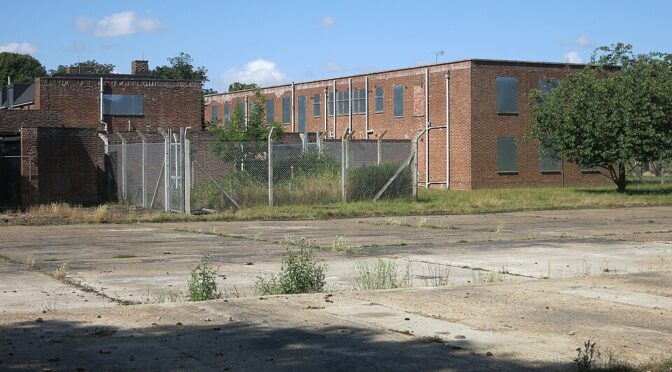
I know just how damaging poor accommodation standards can be to military morale. My battalion lived in a barracks in Cambridgeshire that had been run down for many years with almost nothing spent on modernisation and refurbishment. Walls were crumbling. Houses were inundated with black mould. The heating and hot water boilers broke down all the time. In the depths of winter soldiers and their families shivered in their barracks and houses for days while waiting for a poorly funded maintenance system to kick in.
When we moved out of that barracks for a posting to Northern Ireland, the place became a holding centre for illegal immigrants. But before they could move in it had to be extensively refurbished at vast expense. What was good enough for the men and women defending our country was evidently nowhere near good enough for people who had broken into the country unlawfully. That showed the troops how much they were valued by their government.
The Londonderry barracks we ended up in was little better. Impressive stalactites hung from leaky water pipes. Vermin was rife. Soldiers often had to walk on a cold morning from their barrack block with broken-down hot water systems to share the showers in a neighbouring block that still just about worked. The list goes on, and the same thing applied to the married soldiers’ houses next to the barracks.
Harsh conditions are expected when troops are deployed in the field, but they and their families deserve better when they get home. Yet some soldiers even remarked that they lived more comfortably in Afghanistan than back at their base in the UK.
Even our historically small-scale Armed Forces are dangerously under-manned today and the recruiting organisation – also long starved of adequate funding – cannot make up the numbers. The most efficient way of keeping the ranks filled is to keep soldiers serving and a critical factor is accommodation. Soldiers that get fed up with living in slum conditions often vote with their feet.
The strain on service families can also be a key issue when it comes to staying put or heading for civvie street. There are long periods of separation, unsociable working hours and frequent relocation. What effect do you think substandard housing has on that when husband and wife are deciding whether to stay or go?
Over recent years there have been many new builds on the military estate and large numbers of servicemen and their families do live in high-quality accommodation – some way beyond what their predecessors could ever have dreamt of. But it is not acceptable that any service housing should be deliberately programmed to remain below par, especially when other public-sector employees are receiving significant pay rises and improvements to benefits.
According to Luke Pollard, the defence minister, moving money out of the housing budget so that military readiness could be prioritised was the right decision. Perhaps he doesn’t understand that morale is the single most important element of military readiness. We ask so much of our fighting forces and the least we owe them is a decent standard of living. The Government should look elsewhere for cash to cover the shortfall.
Image: Oakington Barracks Wikimedia Commons
